

As a provider of Connecting Rod Production Lines, I've witnessed firsthand the challenges posed by noise in manufacturing environments. Noise not only affects the health and well - being of workers but can also impact the overall efficiency and quality of production. In this blog, I'll delve into the noise levels in a connecting rod production line and explore effective strategies to reduce them.
Noise Levels in a Connecting Rod Production Line
The connecting rod production line is a complex system that involves multiple processes, each contributing to the overall noise level. Here are some of the main sources of noise and their typical noise levels:
1. Machining Processes
- Cutting Operations: Milling, turning, and drilling are common cutting operations in connecting rod production. High - speed cutting tools generate significant noise, often reaching 90 - 100 decibels (dB). For example, a high - speed milling machine can produce a continuous noise level around 95 dB, which is well above the recommended exposure limit for an 8 - hour workday.
- Grinding: Grinding operations, especially when using abrasive wheels at high speeds, can generate noise levels between 95 - 105 dB. The friction between the grinding wheel and the connecting rod workpiece creates a high - pitched screeching sound that can be extremely loud.
2. Conveyor Systems
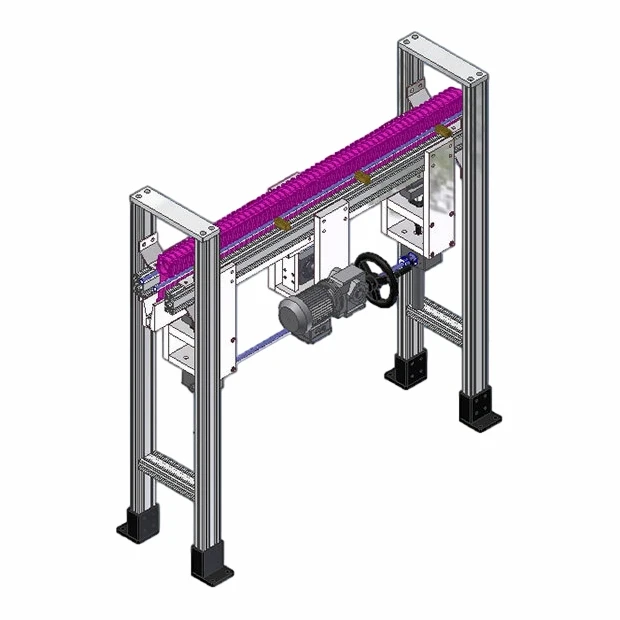
- Conveyor Belts: Conveyor Belts For Connecting Rods are used to transport connecting rod workpieces throughout the production line. The movement of the belts, along with the impact of workpieces on the belts, can generate noise. The noise level of a conveyor belt system can range from 70 - 85 dB, depending on the speed, load, and design of the conveyor.
- Transfer Stations: At transfer stations where workpieces are moved from one conveyor to another or between different processing units, there is often a significant amount of noise. The mechanical impacts and the operation of transfer mechanisms can produce noise levels of 80 - 90 dB.
3. Assembly Processes
- Pressing and Fitting: During the assembly of connecting rods, pressing and fitting operations are carried out. Hydraulic presses and other assembly equipment can generate noise levels of 85 - 95 dB. The sudden impact of the press and the mechanical forces involved in fitting components together contribute to the high noise levels.
- Fastening Operations: Using tools such as pneumatic wrenches to fasten bolts and nuts on the connecting rods can also be a significant source of noise. Pneumatic wrenches typically produce noise levels of 90 - 100 dB.
The Impact of High Noise Levels
High noise levels in a connecting rod production line can have several negative impacts:
1. Health Risks for Workers
- Hearing Loss: Prolonged exposure to high - intensity noise can lead to permanent hearing loss. Workers in the production line are at a high risk of developing noise - induced hearing loss if they are not provided with proper hearing protection.
- Stress and Fatigue: Excessive noise can cause stress, fatigue, and reduced concentration among workers. This can lead to decreased productivity and an increased risk of accidents in the workplace.
2. Equipment and Product Quality
- Equipment Wear and Tear: High - frequency vibrations associated with loud noise can accelerate the wear and tear of machinery and equipment. This can lead to more frequent breakdowns and increased maintenance costs.
- Product Quality: Noise - induced vibrations can also affect the precision of machining and assembly processes, leading to variations in product quality.
Strategies to Reduce Noise Levels
1. Engineering Controls
- Sound - Absorbing Materials: Installing sound - absorbing materials such as acoustic panels on the walls and ceilings of the production area can significantly reduce noise levels. These materials absorb sound waves, preventing them from reflecting and amplifying within the space.
- Enclosures: Enclosing noisy equipment, such as machining centers and presses, in sound - proof enclosures can isolate the noise and prevent it from spreading throughout the production line. The enclosures are designed to reduce the transmission of sound through the walls, using materials with high sound - insulation properties.
- Vibration Damping: Using vibration - damping materials and techniques can reduce the noise generated by machinery vibrations. For example, rubber mounts can be used to isolate equipment from the floor, reducing the transmission of vibrations and noise.
2. Equipment Design and Maintenance
- Quieter Equipment: When purchasing new equipment for the connecting rod production line, choose models that are designed to operate quietly. Manufacturers are increasingly focusing on developing low - noise machinery, which can significantly reduce the overall noise level in the production area.
- Regular Maintenance: Regular maintenance of equipment is essential to ensure that it operates smoothly and quietly. Worn - out parts, loose belts, and misaligned components can all contribute to increased noise levels. By keeping the equipment in good condition, the noise generated during operation can be minimized.
3. Work Practices
- Training: Provide workers with training on the importance of noise reduction and the proper use of hearing protection. Workers should be educated on how to identify noisy equipment and take appropriate measures to reduce noise exposure.
- Work Scheduling: Implement work scheduling strategies to reduce the number of workers exposed to high - noise areas at the same time. For example, rotating workers through different tasks can help to minimize their overall noise exposure.
4. Use of Advanced Technologies
- Automation: Automating certain processes in the connecting rod production line can reduce the need for human operators in high - noise areas. Robots and automated machinery can perform tasks more quietly and precisely, reducing the overall noise level.
- Noise - Monitoring Systems: Install noise - monitoring systems in the production area to continuously measure and analyze noise levels. These systems can provide real - time data on noise exposure, allowing managers to take proactive measures to reduce noise when necessary.
Conclusion
Noise is a significant issue in connecting rod production lines, but with the right strategies, it can be effectively managed. By implementing engineering controls, maintaining equipment properly, promoting good work practices, and leveraging advanced technologies, we can create a safer and more productive work environment.
If you're interested in our Connecting Rod Production Line and want to discuss how we can help you reduce noise levels in your production process, please feel free to reach out. Our team of experts is ready to assist you in finding the best solutions for your specific needs.

References
- OSHA. (2019). Occupational Noise Exposure. Retrieved from the official OSHA website.
- ISO 1999:2013. Acoustics - Determination of occupational noise exposure and estimation of noise - induced hearing impairment.
- Machinery's Handbook. Industrial Press Inc. (2021). A comprehensive reference for mechanical engineering and manufacturing processes.


