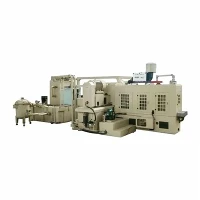

Hey there! As a supplier of connecting rod processing lines, I've seen firsthand the ins and outs of what affects production speed. In this blog, I'm going to break down the key factors that can either speed up or slow down the production on a connecting rod processing line.
1. Machine Performance
The performance of the machines on the processing line is a no - brainer when it comes to production speed. High - quality, well - maintained machines are going to work faster and more efficiently. For example, our Thinning Machine is designed with advanced technology to quickly and accurately thin down connecting rod materials. This machine can handle a large volume of work in a short time, thanks to its high - speed spindles and precise control systems.
Similarly, the CNC Reciprocating Double Disc Grinding Machine plays a crucial role. It uses computer - numerical control to ensure smooth and consistent grinding operations. The reciprocating motion allows for a more even grind on both sides of the connecting rod, and the CNC programming can be optimized to reduce cycle times. If the machine has a slow spindle speed, or if the control system is glitchy, it's going to take longer to process each part.
2. Tool Quality
The tools used in the connecting rod processing line have a huge impact on production speed. Sharp, durable tools can cut through materials more quickly and with less resistance. When we talk about tools for grinding, like the ones used in the Bicycle Disc Brake Double Sided Face Grinding Machine, a high - quality grinding wheel can make a world of difference. A worn - out or low - quality wheel will not only produce a poor finish but also slow down the grinding process as it struggles to remove material.
For cutting operations, the same principle applies. Using the right cutting tools with the correct geometry and coating can significantly reduce the time it takes to shape the connecting rod. We recommend regularly checking and replacing tools to maintain optimal production speed. Dull tools not only increase processing time but can also lead to more scrap and rework, which further slows down the overall production.
3. Material Characteristics
The type of material used for the connecting rod has a direct effect on production speed. Different materials have different hardness, density, and machinability. For example, if you're working with a hard alloy steel, it's going to be more difficult to cut and grind compared to a mild steel. The Double Disc Grinding Machine For Circular Cutting Blades might need to work at a slower speed when dealing with a tough material to ensure a good surface finish and avoid tool wear.
On the other hand, softer materials can be processed more quickly, but they also require more careful handling to prevent deformation. The material's heat - treatment state also matters. Tempered materials may have different cutting properties compared to annealed ones. Understanding the material characteristics and adjusting the processing parameters accordingly is essential to maintain a good production speed.
4. Operator Skill and Training
The operators on the connecting rod processing line are a vital part of the equation. A skilled and well - trained operator can run the machines more efficiently. They know how to set up the machines correctly, optimize the processing parameters, and troubleshoot minor issues quickly. For instance, when using the Compressor Cylinder Double Disc Grinding Machine, an experienced operator can adjust the grinding pressure and speed based on the specific requirements of the connecting rod.
In contrast, an inexperienced operator may make mistakes that slow down production. They might take longer to set up the machine, or they could misinterpret the part drawing, leading to rework. That's why we invest in providing comprehensive training to our clients' operators. We believe that a well - trained workforce is key to achieving high - speed production on the connecting rod processing line.
5. Production Layout and Flow
The layout of the production line and the flow of materials also influence production speed. A well - designed layout ensures that the connecting rods move smoothly from one processing station to the next without any unnecessary delays. For example, if the machines are arranged in a logical sequence, it reduces the time spent on moving the parts around.
We also need to consider the storage of raw materials and finished products. If the storage areas are not organized properly, it can take longer to access the materials and products, which slows down the overall production process. An efficient production flow should minimize the distance that the parts need to travel and ensure that there are no bottlenecks at any of the processing stations.
6. Maintenance and Downtime
Regular maintenance is crucial for keeping the production speed up. If the machines on the connecting rod processing line are not maintained properly, they are more likely to break down. Downtime due to machine failures can be a major setback. For example, a small issue with the spindle of a grinding machine can quickly escalate into a major problem if not addressed promptly.

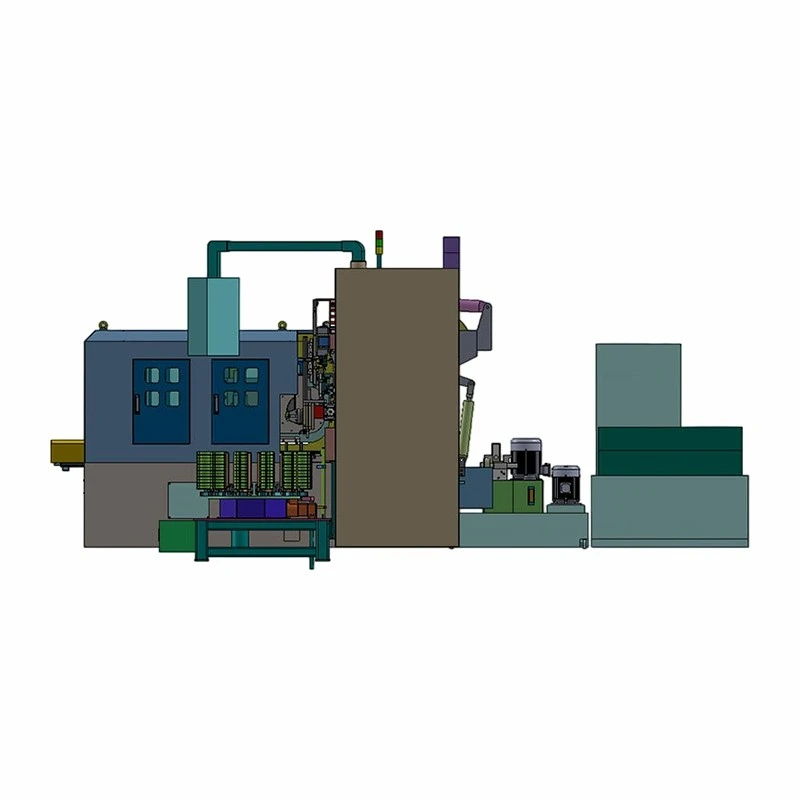
We recommend having a preventive maintenance schedule in place. This includes regular cleaning, lubrication, and inspection of the machines. By doing so, we can catch and fix potential problems before they cause significant downtime. Additionally, having spare parts readily available can also reduce the time it takes to repair a machine when it does break down.
7. Quality Control and Inspection
Quality control and inspection are necessary steps in the production process, but they can also affect production speed. If the inspection process is too slow or inefficient, it can hold up the production line. However, skipping or rushing the inspection can lead to defective products, which may have to be reworked or scrapped in the long run.
We've developed quality control procedures that are fast and accurate. For example, we use automated inspection systems that can quickly measure the dimensions and surface quality of the connecting rods. This way, we can ensure that the products meet the required standards without sacrificing too much production time.
Conclusion
So, there you have it! These are the main factors that influence the production speed of a connecting rod processing line. As a supplier, we're committed to helping our clients optimize their production processes. Whether it's providing high - performance machines, top - quality tools, or comprehensive training, we're here to make sure that your production line runs as smoothly and as fast as possible.
If you're interested in learning more about our connecting rod processing lines or have any questions about improving your production speed, don't hesitate to reach out. We're always happy to have a chat and discuss how we can work together to meet your production needs.
References
- [1] Smith, J. (2020). "Advanced Manufacturing Techniques for Connecting Rods". Manufacturing Journal.
- [2] Johnson, A. (2021). "Optimizing Production Speed in Metal Processing". Industrial Engineering Review.