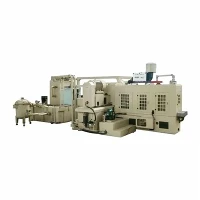

CNC automatic double disc grinding machines are precision tools widely used in various manufacturing industries for their efficiency and accuracy in grinding operations. However, like any complex machinery, they are prone to certain common faults that can affect their performance and productivity. As a supplier of CNC automatic double disc grinding machines, I have encountered a range of issues over the years and have developed effective solutions to address them. In this blog, I will discuss the common faults of these machines and the corresponding troubleshooting methods.


1. Poor Grinding Accuracy
Causes
- Worn Grinding Wheels: Over time, the grinding wheels can wear out unevenly, leading to inconsistent grinding results. This can be due to excessive use, improper dressing, or the use of low - quality grinding wheels.
- Inaccurate Spindle Alignment: If the spindle is not properly aligned, it can cause variations in the distance between the grinding wheels and the workpiece, resulting in poor grinding accuracy.
- Loose Machine Components: Loose bolts, nuts, or other components can cause vibrations during the grinding process, which in turn affect the accuracy of the grinding operation.
Solutions
- Regular Wheel Dressing and Replacement: Implement a regular wheel dressing schedule to maintain the sharpness and shape of the grinding wheels. Monitor the wear of the grinding wheels and replace them when necessary. Using high - quality grinding wheels can also significantly improve the grinding accuracy.
- Spindle Alignment Inspection and Adjustment: Periodically check the spindle alignment using precision measuring tools. If misalignment is detected, adjust the spindle according to the manufacturer's guidelines.
- Tighten Loose Components: Conduct routine inspections of the machine components and tighten any loose parts. This helps to reduce vibrations and ensure a stable grinding process.
2. Excessive Heat Generation
Causes
- Inadequate Cooling System: If the cooling system of the grinding machine is not functioning properly or has insufficient capacity, it cannot effectively dissipate the heat generated during the grinding process.
- High Grinding Pressure: Applying excessive grinding pressure can increase the friction between the grinding wheels and the workpiece, leading to more heat generation.
- Dull Grinding Wheels: Dull grinding wheels require more force to cut through the workpiece, which also generates additional heat.
Solutions
- Check and Improve the Cooling System: Inspect the coolant level, pump operation, and nozzle alignment of the cooling system. Clean or replace any clogged filters or nozzles. Consider upgrading the cooling system if it is found to have insufficient capacity.
- Optimize Grinding Pressure: Adjust the grinding pressure according to the material of the workpiece and the properties of the grinding wheels. Use pressure - control devices to maintain a consistent and appropriate pressure during the grinding process.
- Renew Dull Grinding Wheels: Replace the dull grinding wheels promptly to reduce the force required for grinding and thus minimize heat generation.
3. Abnormal Noise and Vibration
Causes
- Bearing Wear: Worn bearings can cause excessive noise and vibration as they rotate. This can be due to long - term use, lack of lubrication, or contamination.
- Unbalanced Grinding Wheels: If the grinding wheels are not balanced properly, they can cause vibrations during the high - speed rotation.
- Loose Mounting of the Machine: The machine may not be securely mounted on the floor or workbench, resulting in vibrations and noise during operation.
Solutions
- Bearing Inspection and Replacement: Regularly inspect the bearings for wear and damage. Replace any worn - out bearings and ensure proper lubrication according to the manufacturer's recommendations.
- Grinding Wheel Balancing: Use a wheel - balancing machine to balance the grinding wheels. This helps to reduce vibrations and improve the smoothness of the grinding process.
- Secure Machine Mounting: Check the mounting bolts of the machine and make sure it is firmly fixed to a stable surface. Using anti - vibration pads can also help minimize vibrations.
4. Hydraulic System Problems (if applicable)
Causes
- Fluid Leakage: Leakage in the hydraulic system can lead to a drop in hydraulic pressure, affecting the operation of hydraulic cylinders and other components. This can be due to damaged seals, loose connections, or cracks in the hydraulic pipes.
- Contaminated Hydraulic Fluid: Contaminants such as dirt, metal particles, and water in the hydraulic fluid can cause damage to the hydraulic components, reducing their efficiency and lifespan.
- Malfunctioning Hydraulic Pump: A faulty hydraulic pump may not be able to provide the required hydraulic pressure, resulting in slow or inconsistent movement of the machine's hydraulic parts.
Solutions
- Leakage Detection and Repair: Regularly inspect the hydraulic system for leaks. Locate the source of the leakage and repair it by replacing damaged seals, tightening connections, or replacing cracked pipes.
- Hydraulic Fluid Maintenance: Implement a regular fluid - changing schedule and use a proper filtration system to keep the hydraulic fluid clean. Check the fluid level and quality regularly and replace the fluid if it is contaminated.
- Pump Inspection and Replacement: If the hydraulic pump is suspected to be malfunctioning, have it inspected by a professional. Replace the pump if necessary to ensure proper hydraulic pressure.
5. Electrical System Failures
Causes
- Faulty Electrical Components: Components such as relays, switches, and sensors can fail due to overheating, short - circuits, or normal wear and tear.
- Loose Wiring Connections: Loose or damaged wiring connections can cause intermittent electrical problems, leading to system malfunctions or even system shutdowns.
- Power Supply Issues: Fluctuations in the power supply, such as voltage spikes or drops, can damage the electrical components of the CNC automatic double disc grinding machine.
Solutions
- Component Inspection and Replacement: Regularly inspect the electrical components for signs of damage or wear. Replace any faulty components with new ones that meet the machine's specifications.
- Wiring Check and Repair: Check all the wiring connections in the machine and tighten any loose connections. Repair or replace any damaged wires to ensure a stable electrical connection.
- Power Supply Protection: Install a voltage stabilizer or uninterruptible power supply (UPS) to protect the machine from power supply fluctuations.
6. Feeding System Problems
Causes
- Jammed Feed Mechanism: Debris or workpiece chips can get stuck in the feed mechanism, preventing the smooth movement of the workpiece.
- Incorrect Feed Speed Setting: If the feed speed is set too high or too low, it can affect the grinding quality and cause problems such as over - grinding or under - grinding.
- Worn Feed Components: The feed screws, belts, or other components of the feeding system can wear out over time, leading to inaccurate feeding.
Solutions
- Clean the Feed Mechanism: Regularly clean the feed mechanism to remove any debris or chips. Use compressed air or a cleaning brush to ensure the smooth operation of the feed components.
- Adjust the Feed Speed: Set the feed speed according to the grinding requirements of the workpiece and the capabilities of the machine. Refer to the machine's manual for the recommended feed speed settings.
- Replace Worn Feed Components: Inspect the feed components regularly for wear and replace them as needed to maintain accurate feeding.
Contact for Purchase and Consultation
If you are facing any problems with your CNC automatic double disc grinding machine or are interested in purchasing our high - quality Double Disk Grinding Machine, Bicycle Disc Brake Double Sided Face Grinding Machine, Hydraulic Grinder Machine, Horizontal Spindle Surface Grinder or Double Disc Grinding Machine For Circular Cutting Blades, please feel free to contact us. Our team of experts is ready to provide you with professional advice and solutions.
References
- "CNC Machine Tool Maintenance Handbook", Industry Press.
- "Grinding Technology: Theory and Applications of Machining with Abrasives", Stephen Malkin.