

As a leading supplier of Connecting Rod Processing Lines, I understand the critical role that proper processing parameters play in ensuring the quality and efficiency of connecting rod production. Adjusting these parameters is not a one-size-fits-all process; it requires a deep understanding of the machinery, the material, and the desired outcome. In this blog post, I will share some insights on how to adjust the processing parameters of a connecting rod processing line.
Understanding the Basics of Connecting Rod Processing
Before delving into parameter adjustment, it's essential to have a solid understanding of the connecting rod processing line. A typical connecting rod processing line involves several key steps, including forging, machining, heat treatment, and finishing. Each step has its own set of parameters that need to be carefully controlled to achieve the desired quality and performance.
Forging Parameters
Forging is the first step in connecting rod production, where the raw material is shaped into the basic form of the connecting rod. The forging parameters, such as temperature, pressure, and deformation rate, have a significant impact on the microstructure and mechanical properties of the connecting rod.
- Temperature: The forging temperature should be carefully controlled to ensure proper plastic deformation and avoid cracking or other defects. Generally, the forging temperature for steel connecting rods ranges from 1000°C to 1200°C.
- Pressure: The forging pressure is determined by the size and shape of the connecting rod, as well as the forging equipment. Higher pressures are typically required for larger and more complex connecting rods.
- Deformation Rate: The deformation rate refers to the speed at which the material is deformed during forging. A higher deformation rate can lead to better grain refinement and improved mechanical properties, but it also increases the risk of cracking.
Machining Parameters
After forging, the connecting rod undergoes a series of machining operations, such as turning, milling, drilling, and grinding. The machining parameters, such as cutting speed, feed rate, and depth of cut, need to be optimized to achieve high precision and surface quality.
- Cutting Speed: The cutting speed is the speed at which the cutting tool moves relative to the workpiece. It is determined by the material of the workpiece, the cutting tool, and the machining operation. A higher cutting speed can increase the productivity, but it also increases the tool wear and the risk of surface damage.
- Feed Rate: The feed rate is the speed at which the cutting tool advances along the workpiece. It is determined by the cutting speed, the depth of cut, and the material of the workpiece. A higher feed rate can increase the productivity, but it also reduces the surface quality and the dimensional accuracy.
- Depth of Cut: The depth of cut is the thickness of the material removed by the cutting tool in each pass. It is determined by the cutting speed, the feed rate, and the material of the workpiece. A larger depth of cut can increase the productivity, but it also increases the cutting force and the risk of tool breakage.
Heat Treatment Parameters
Heat treatment is an important step in connecting rod production, which can improve the mechanical properties and the dimensional stability of the connecting rod. The heat treatment parameters, such as temperature, time, and cooling rate, need to be carefully controlled to achieve the desired microstructure and properties.

- Temperature: The heat treatment temperature is determined by the material of the connecting rod and the desired properties. For example, for steel connecting rods, the quenching temperature is typically between 800°C and 900°C, and the tempering temperature is between 200°C and 600°C.
- Time: The heat treatment time is determined by the temperature, the size and shape of the connecting rod, and the desired properties. Generally, the longer the heat treatment time, the better the properties, but it also increases the cost and the risk of distortion.
- Cooling Rate: The cooling rate is the speed at which the connecting rod is cooled after heat treatment. It is determined by the material of the connecting rod, the heat treatment temperature, and the desired properties. A faster cooling rate can lead to better mechanical properties, but it also increases the risk of cracking.
Finishing Parameters
The finishing process is the final step in connecting rod production, which can improve the surface quality and the dimensional accuracy of the connecting rod. The finishing parameters, such as grinding speed, feed rate, and grinding pressure, need to be optimized to achieve the desired surface finish and dimensional tolerance.
- Grinding Speed: The grinding speed is the speed at which the grinding wheel rotates. It is determined by the material of the grinding wheel, the workpiece, and the grinding operation. A higher grinding speed can increase the productivity, but it also increases the tool wear and the risk of surface damage.
- Feed Rate: The feed rate is the speed at which the workpiece moves relative to the grinding wheel. It is determined by the grinding speed, the grinding pressure, and the material of the workpiece. A higher feed rate can increase the productivity, but it also reduces the surface quality and the dimensional accuracy.
- Grinding Pressure: The grinding pressure is the force applied to the workpiece by the grinding wheel. It is determined by the grinding speed, the feed rate, and the material of the workpiece. A higher grinding pressure can increase the material removal rate, but it also increases the tool wear and the risk of surface damage.
Using Advanced Equipment for Parameter Adjustment
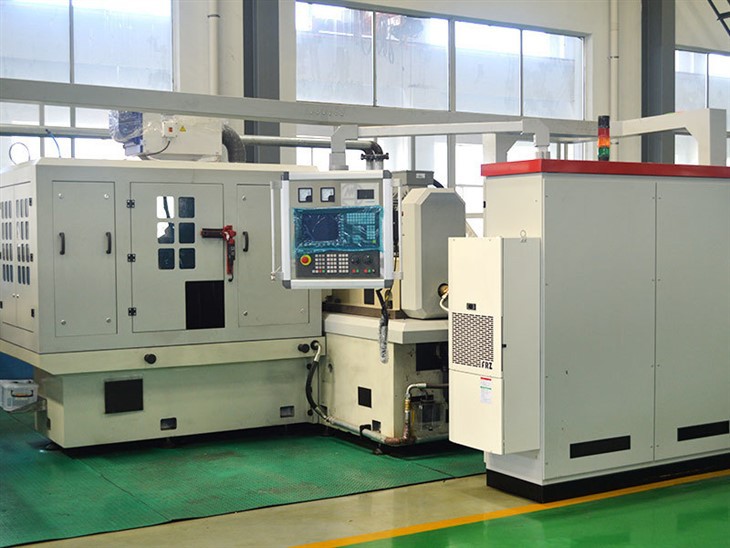
In addition to understanding the basic processing parameters, it's also important to use advanced equipment to ensure accurate and efficient parameter adjustment. For example, our company offers a range of high-quality grinding machines, such as the CNC Automatic Double Disc Grinding Machine, the Horizontal Spindle Surface Grinding Machine, and the High Precision Double Disc Grinding Machine. These machines are equipped with advanced control systems that allow for precise parameter adjustment and monitoring, ensuring consistent and high-quality production.
Monitoring and Optimization
Once the processing parameters have been adjusted, it's important to monitor the production process and make necessary adjustments to ensure optimal performance. This can be done through regular quality inspections, process monitoring, and data analysis. By analyzing the data, we can identify trends and patterns, and make adjustments to the processing parameters to improve the quality and efficiency of the production process.
Conclusion
Adjusting the processing parameters of a connecting rod processing line is a complex and challenging task that requires a deep understanding of the machinery, the material, and the desired outcome. By following the guidelines outlined in this blog post, and using advanced equipment and monitoring techniques, you can ensure that your connecting rod production process is efficient, reliable, and of high quality.
If you are interested in learning more about our Connecting Rod Processing Lines or have any questions about processing parameter adjustment, please feel free to contact us for a consultation. We look forward to working with you to meet your production needs.
References
- Smith, J. (2018). Connecting Rod Manufacturing: A Comprehensive Guide. Industrial Press.
- Jones, A. (2019). Advanced Machining Techniques for Connecting Rods. Machining Technology Journal.
- Brown, C. (2020). Heat Treatment of Connecting Rods: Principles and Practices. Heat Treatment Society.


